• Spend SG$500 to get complimentary shipping.

1996 Château Ausone, St Emilion, Bordeaux
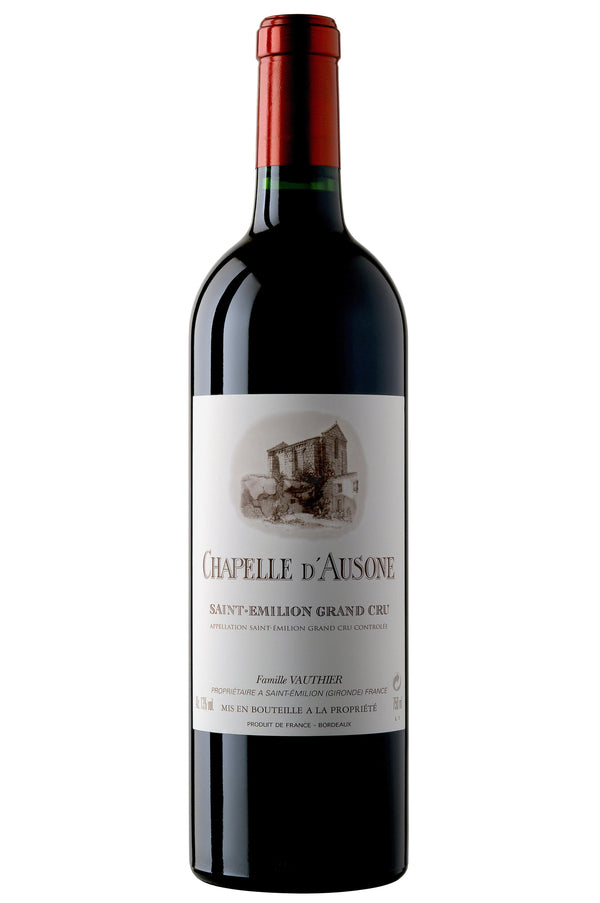
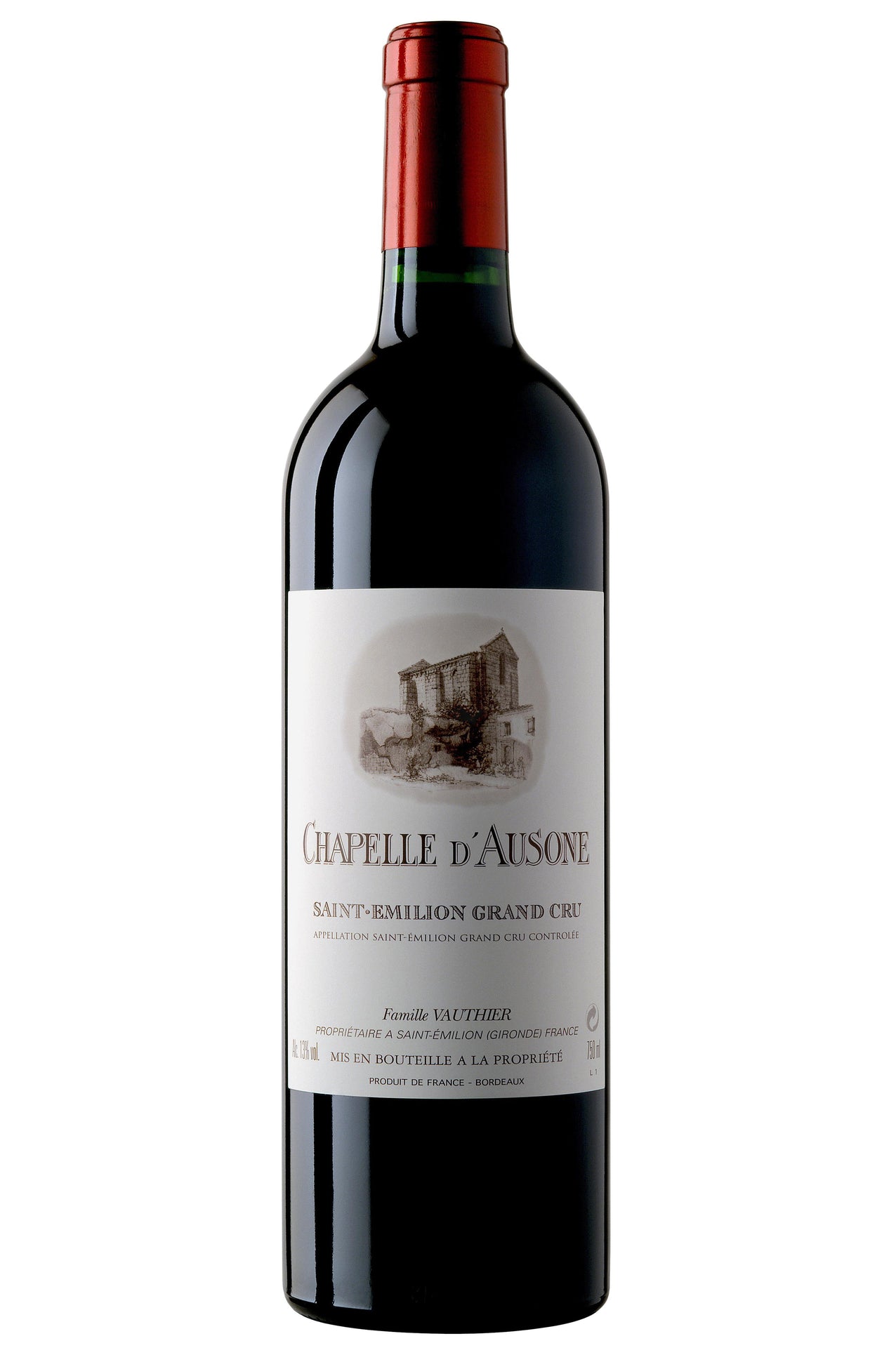
1996 Château Ausone, St Emilion, Bordeaux
Red • Dry • Full Bodied • Cabernet Sauvignon blend
Ready - at best
Neal Martin, Vinous 92/100
Jancis Robinson MW 17.5/20
Robert Parker 94-95/100
Stephen Tanzer 93/100
Log in to add to wishlist
Code: 1996-12750-8008785
Description

The 1996 Ausone is a vintage that I have tasted on four or five occasions. This was similar to previous examples with a very floral and outgoing bouquet, those wilted violet petals infusing the boysenberry and blueberry fruit, quite glossy in style, one of the most modern of that decade. It certainly has more intensity than earlier vintages. 

The palate is medium-bodied with sweet and ripe tannin, impressive acidity and weight, although it does not revel in the complexity of other vintages, perhaps because the growing season did not favour the Right Bank. There is a touch of headiness on the finish that is a little otiose, but otherwise, this is a thoroughly enjoyable Ausone—tasted at the Ausone vertical in London.

Drink 2018 - 2038

Neal Martin, Vinous.com (March 2018)

  • Colour
    Red
  • Sweetness
    Dry
  • Vintage
    1996
  • Alcohol
    13%
  • Maturity
    Ready - at best
  • Grape
    Cabernet Sauvignon blend
  • Body
    Full Bodied
  • Producer
    Château Ausone
Critics reviews
Neal Martin, Vinous 92/100
Jancis Robinson MW 17.5/20
Robert Parker 94-95/100
Stephen Tanzer 93/100

Saint-Emilion

First officially classified in 1954, St-Émilion is one of Bordeaux's largest winemaking appellations, producing more wine than Listrac, Moulis, St Estèphe, Pauillac, St Julien and Margaux combined. Many of the region's finest vineyards can be found atop the steep limestone slopes of the village itself, although a fledgling band of garagiste producers are eschewing terroir to make small-batch, deeply-concentrated wines from their homes.

St Émilion is one of Bordeaux's largest producing appellations, producing more wine than Listrac, Moulis, St Estèphe, Pauillac, St Julien and Margaux put together. St Emilion has been producing wine for longer than the Médoc but its lack of accessibility to Bordeaux's port and market-restricted exports to mainland Europe meant the region initially did not enjoy the commercial success that funded the great châteaux of the Left Bank.

St Émilion itself is the prettiest of Bordeaux's wine towns, perched on top of the steep limestone slopes upon which many of the region's finest vineyards are situated. However, more than half of the appellation's vineyards lie on the plain between the town and the Dordogne River on sandy, alluvial soils with a sprinkling of gravel. Further diversity is added by a small, complex gravel bed to the north-east of the region on the border with Pomerol. Atypically for St Émilion, this allows Cabernet Franc and, to a lesser extent, Cabernet Sauvignon to prosper and defines the personality of the great wines such as Ch. Cheval Blanc.

In the early 1990s there was an explosion of experimentation and evolution, leading to the rise of the garagistes, producers of deeply-concentrated wines made in very small quantities and offered at high prices. The appellation is also surrounded by four satellite appellations, Montagne, Lussac, Puisseguin and St. Georges, which enjoy a family similarity but not the complexity of the best wines. St Émilion was first officially classified in 1954, and is the most meritocratic classification system in Bordeaux, as it is regularly amended.

Need help?
Please contact us from the contact form