• Spend SG$500 to get complimentary shipping.

2003 Château Montrose, St Estèphe, Bordeaux
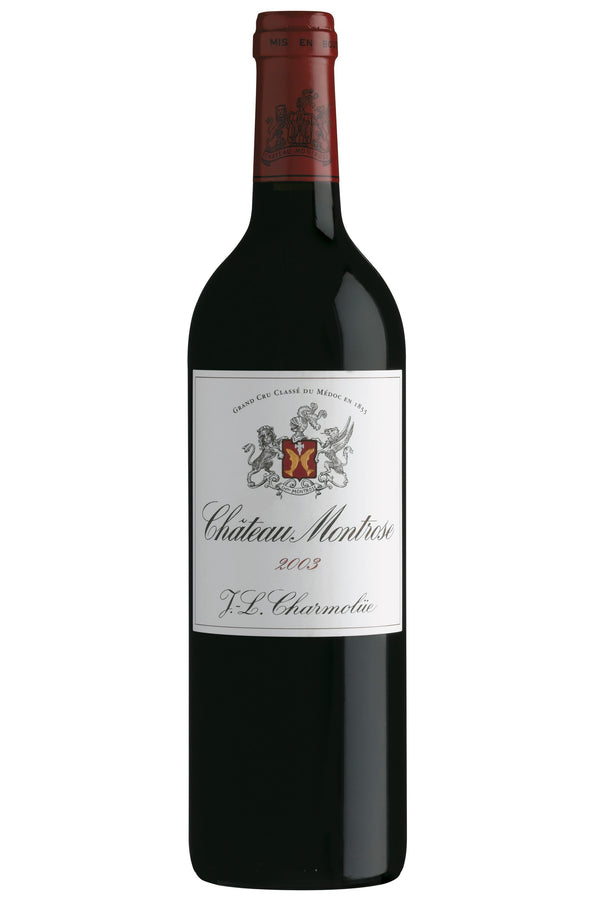
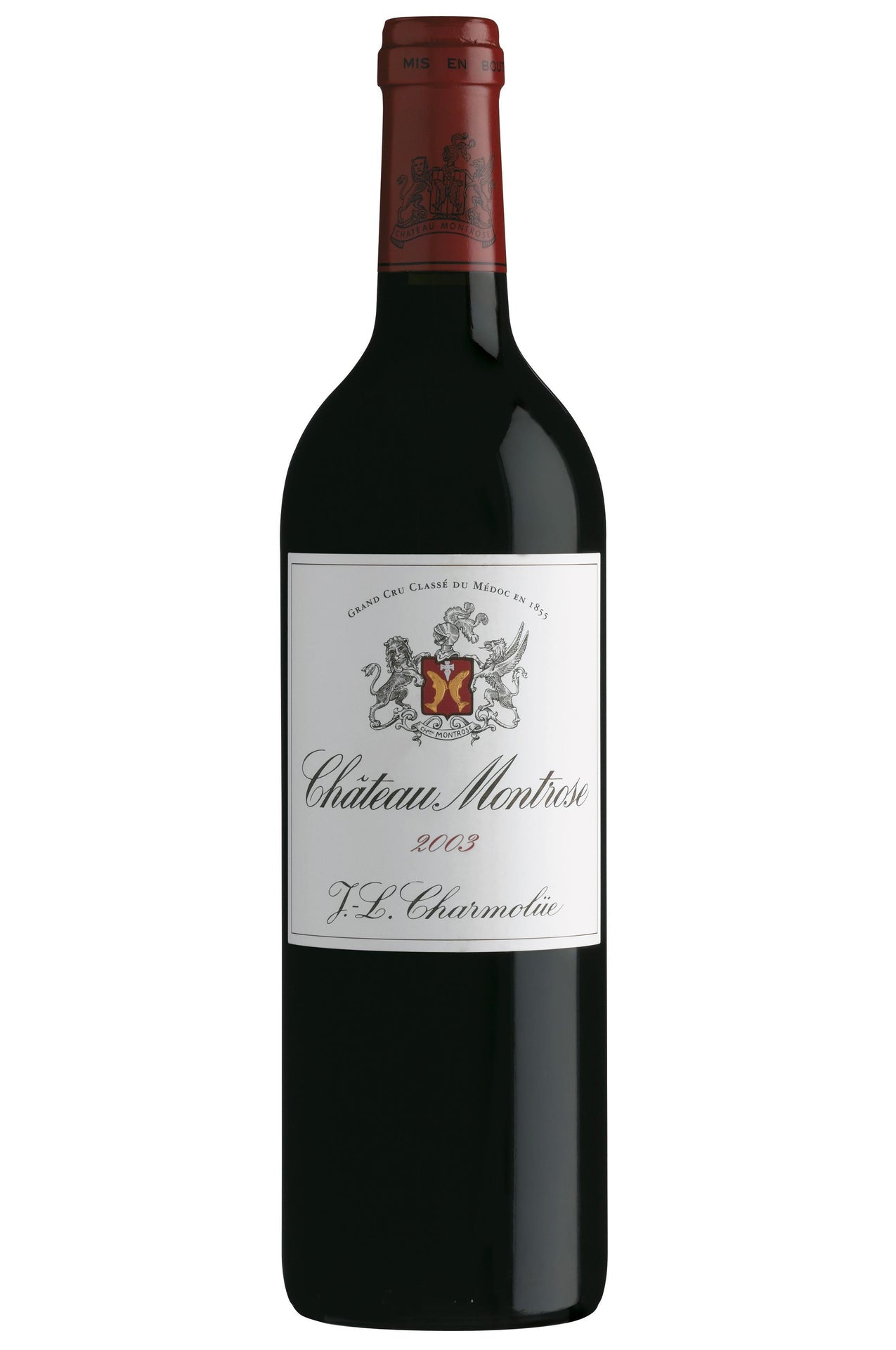
2003 Château Montrose, St Estèphe, Bordeaux
Red • Dry • Full Bodied • Cabernet Sauvignon (62%), Merlot (34%), Cabernet Franc (3%), Petit Verdot (1%)
Ready - at best
Jancis Robinson MW 19/20
James Suckling 97/100
Stephen Tanzer 97/100
Neal Martin 98/100
Jeb Dunnuck 99/100
Robert Parker 99/100
Log in to add to wishlist
Code: 2003-12750-8009942
Description

A prodigious beast of a wine that's now starting to shed just a touch of its considerable baby fat, the 2003 Château Montrose is based on 62% Cabernet Sauvignon, 34% Merlot, 3% Cabernet Franc, and the rest Petit Verdot. It shows the vintage's richness with its ripe, opulent core of fruit, yet it freshens up noticeably with time in the glass, offering currants, mulberries, smoked tobacco, minty herbs, and liquorice. Full-bodied, deep, and powerful on the palate, it still has classic Bordeaux focus and structure. It's drinking brilliantly today with a decant and has another 20-30 years of prime drinking.

Drink 2022 - 2052

Jeb Dunnuck, JebDunnuck.com (August 2022)

  • Colour
    Red
  • Sweetness
    Dry
  • Vintage
    2003
  • Alcohol
    13%
  • Maturity
    Ready - at best
  • Grape
    Cabernet Sauvignon (62%), Merlot (34%), Cabernet Franc (3%), Petit Verdot (1%)
  • Body
    Full Bodied
  • Producer
    Château Montrose
Critics reviews
Jancis Robinson MW 19/20
James Suckling 97/100
Stephen Tanzer 97/100
Neal Martin 98/100
Jeb Dunnuck 99/100
Robert Parker 99/100

Saint-Estèphe

Saint-Estèphe is the northernmost of the most important communes of the Médoc, bordering Pauillac on its southernmost border, with only a gully and stream separating it from Ch. Lafite Rothschild. The wines can appear austere in youth, but the best typically display good depth of colour, pronounced acidity and tannins in youth, and are exceptionally long-lived. At their best, they are the equal of almost any Bordeaux.

Saint-Estèphe is the northernmost of the most important communes of the Médoc and borders Pauillac on its southernmost border, with only a gully and stream separates it from Ch. Lafite. To the north lies the Bas-Médoc. Saint-Estèphe is defined by the depth of its gravel, which is ubiquitous but of varying depths and occasionally very shallow, when clay predominates. This keeps the soil cooler and wetter than its counterparts so that the wines can appear fresh in lighter vintages, but superbly successful in hot, dry years. The best châteaux in the south of the commune have the deepest soil and the thickest gravel.

Cos d'Estournel has an exceptional terroir with its vineyards being located on a south-facing ridge of gravel with excellent drainage. Saint-Estèphe is the least gravelly of main Médoc communes and in the north of the commune the vineyards are heavier and more clay-based leading to a rustic style of wine being produced. The wines can appear austere in youth with a discernable ferric note at some châteaux, but the best typically display good depth of colour, pronounced acidity an tannins in youth and are exceptionally long-lived. At their best, they are the equal of almost any Bordeaux.

The well-regarded St Estèphe co-operative controls the production of about half the appellation.

Need help?
Please contact us from the contact form