• Spend SG$500 to get complimentary shipping.

2009 Hermitage Rouge, Domaine Marc Sorrel, Rhône
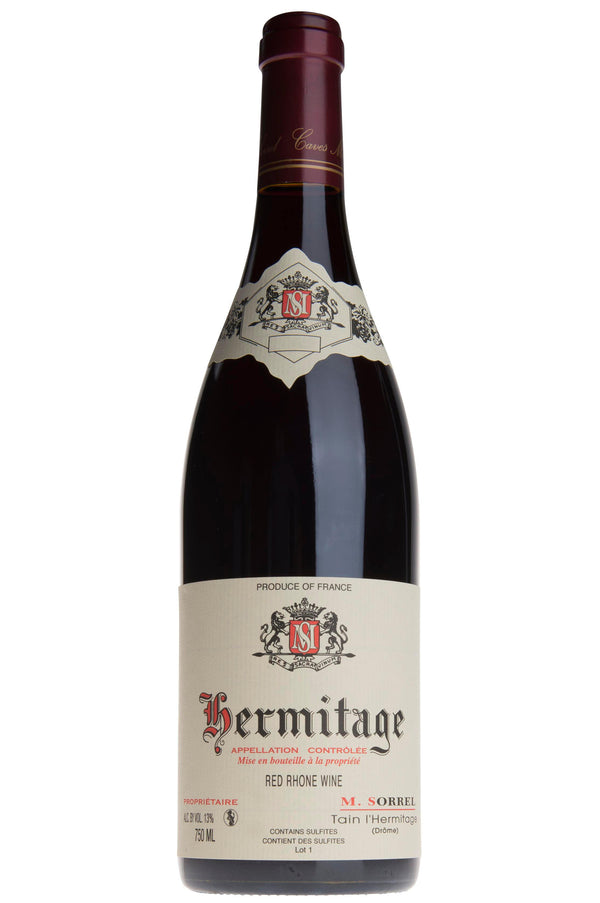
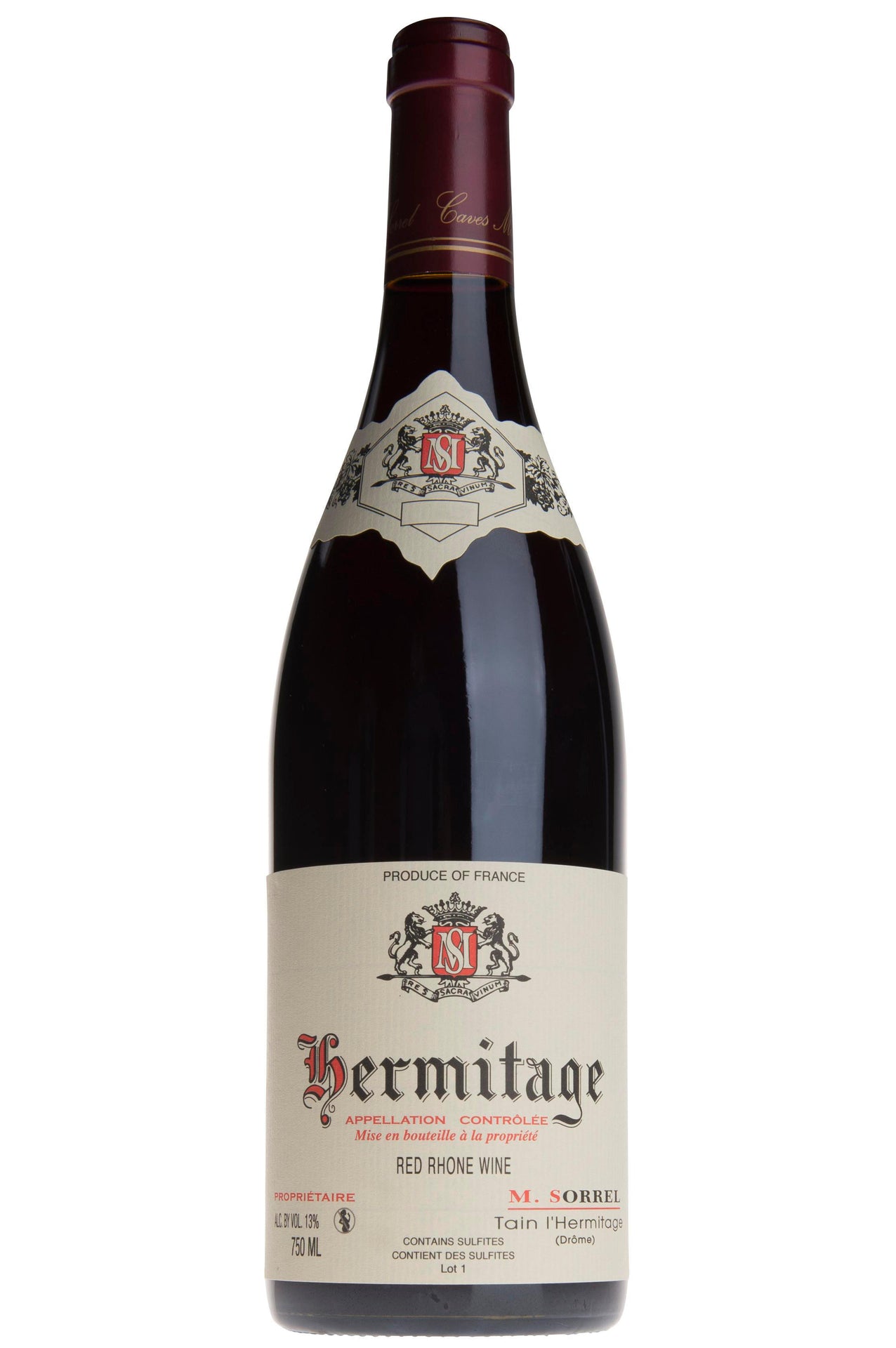
2009 Hermitage Rouge, Domaine Marc Sorrel, Rhône
Red • Dry • Full Bodied • Syrah/Shiraz
Ready - mature
Log in to add to wishlist
Code: 2009-06750-8006938
Description

Most Exciting Wines of the Vintage: Hermitage Rouge, Domaine Marc Sorrel
A taste of this fabulous elixir confirms what a great site the hill above Tain-Hermitage really is. A seductive red fruit nose with hints of garrigue, leads to a punchy palate with notes of olives and flowers, as well as berry fruit and chocolate. This is beautifully made, proper Hermitage.
(Chris Pollington, BBR Fine Wine)

Marc Sorrel is a phenomenal wine maker and his Hermitage Rouge was a real wine moment for everyone that tasted it. The power that you expect from top Hermitage was there, along with fine detail and huge complexity. This will age gracefully for a long, long time and is among the best produced in this revered appellation.
(Matt Tipping, BBR Fine Wine)

Sourced from three sites (Les Plantiers, Les Bessards and Les Greffieux) all assembled at harvest time, this Hermitage wine has attractive floral aromas redolent of violets, and a creamy rich palate which underwrites the astonishing complexity of what is supposed to be the junior wine.
(Simon Field MW BBR Buyer)

  • Colour
    Red
  • Sweetness
    Dry
  • Vintage
    2009
  • Alcohol
    14%
  • Maturity
    Ready - mature
  • Grape
    Syrah/Shiraz
  • Body
    Full Bodied
  • Producer
    Domaine Marc Sorrel

Hermitage

The most famous of all the northern Rhône appellations, its 120 hectares produce tiny quantities of very long-lived reds. The vines were grown in Roman times, although local folklore claims their origins to be 600 years earlier. The wines are powerful, with a deep colour and firm tannins, and the potential to age for many decades. The best Hermitage is produced from several climats blended together.

Hermitage is the most famous of all the northern Rhône appellations. The hill of Hermitage is situated above the town of Tain and overlooks the town of Tournon, just across the river. Hermitage has 120 hectares and produces tiny quantities of very long-lived reds. The vines were grown in Roman times, although local folklore claims their origins to be nearly 600 years earlier.

The name ‘Hermitage’ first appeared in the 16th century, derived from a legend of the 13th century Crusade, involving a wounded knight called Gaspard de Stérimberg, who made refuge on the hill, planted vines and became a hermit. During the 17th century, Hermitage was recognised as one of the finest in Europe. In 1775, Château Lafite was blended with Hermitage and was one of the greatest wines of its day. In the late 19th century, however, Phylloxera wiped out all the vineyards. The wines are powerful, with a deep colour and firm tannins, developing into some of the finest examples in France, with the potential to age for many decades.

The best Hermitage is produced from several climats or more, blended together. The main climats are Les Bessards, Le Meal, L’Hermite, Les Greffieux and Les Diognieres. Most of the finest climats face broadly south, giving maximum sunshine. Most growers only have one or two climats and they might not complement each other; Hermitage quality can therefore vary hugely. Only the top producers have extensive diversified holdings. 80% of the wine produced is red, however up to 15% of white grapes can be used in the blend. Most growers use 100% Syrah and utilise the white grapes to make white wines only.

Chapoutier, Jaboulet and Tain l'Hermitage are the principal proprietors of the appellation’s vineyards. The white wines are made from the Marsanne and Roussanne grapes. Great white Hermitage can age, taking on the fruit characters of apricots and peaches, often giving a very nutty finish. The best examples in great vintages can last 50 years. Mature red Hermitage can be confused with old Bordeaux. In a blind tasting of 1961 First Growth Clarets, the famous 1961 Hermitage La Chapelle was included. Most people, including its owner, Gerard Jaboulet, mistook it for Château Margaux.

Need help?
Please contact us from the contact form