• Spend SG$500 to get complimentary shipping.

2009 Les Tourelles de Longueville, Pauillac, Bordeaux
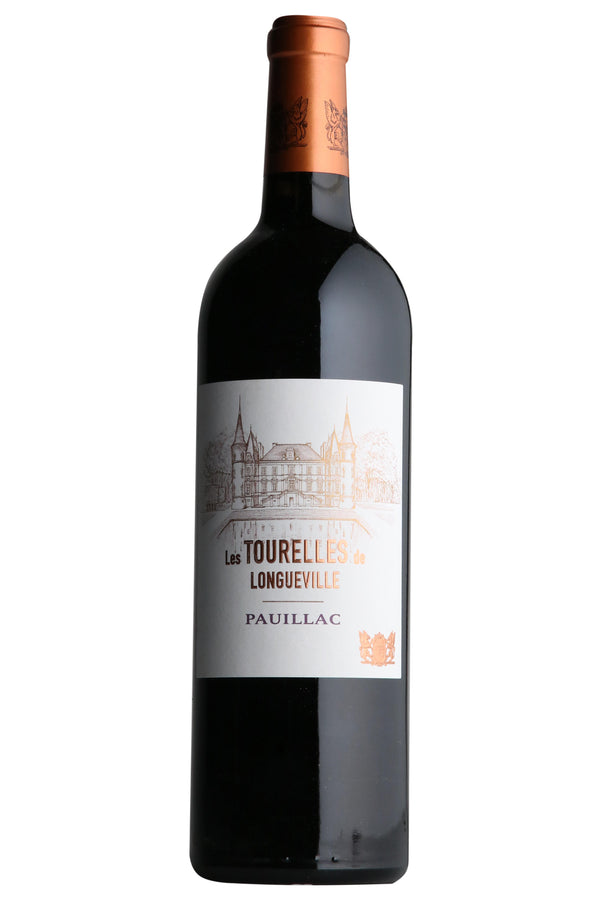
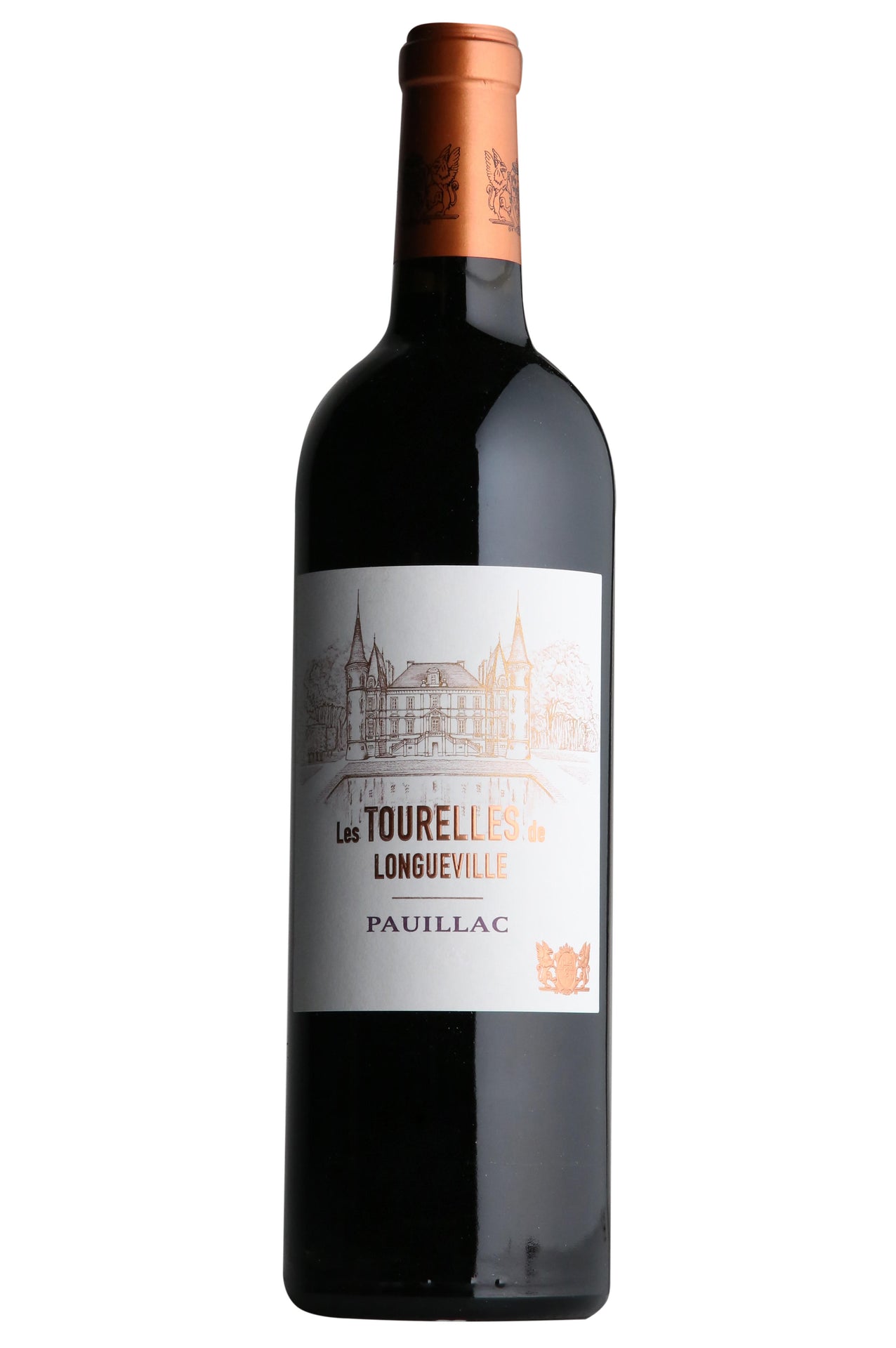
2009 Les Tourelles de Longueville, Pauillac, Bordeaux
Red • Dry • Medium Bodied
Ready - at best
Jancis Robinson MW 16.5/20
Neal Martin 90/100
Robert Parker 90/100
Log in to add to wishlist
Code: 2009-12750-1015812
Description

61% Merlot, 15% Cabernet Sauvignon, 14% Cabernet Franc.

Not young vine stuff – that goes into another wine. Half in screwcap since 2004. Nervy. It really quite chewy on the end. Light and lively and fresh and vivacious. Quite delicate. Warm, rich, very juicy, fruit juice. Sold a little En Primeur but not via the Bordeaux Place, through their négociant instead.
Jancis Robinson MW, JancisRobinson.com

The 2009 Les Tourelles de Longueville has a lovely, pure bouquet with joyful red cherry and crushed strawberry aromas. The oak is beautifully integrated. The palate is medium-bodied with supple tannin and a fine line of acidity. It is fleshy and nicely framed with raspberry and blackberry laced with tobacco and a generous sprinkling of cracked black pepper on the finish. Excellent.

Drink 2022 - 2038
Neal Martin, Vinous.com

The second wine of Pichon Baron, the Les Tourelles de Longueville, is the best second effort I have tasted from this estate. An equal part blend of Merlot and Cabernet Sauvignon, the wine is very seductive, with loads of black fruits, an almost caramelized note, low acidity and voluptuous texture. Endearing and pure, this full-bodied second wine is better than many vintages of the grand vin from the 1940s and 1950s. Drink it over the next 10-15 years.

Drink 2012 - 2027
Robert Parker, Wine Advocate

  • Colour
    Red
  • Sweetness
    Dry
  • Vintage
    2009
  • Alcohol
    13.5%
  • Maturity
    Ready - at best
  • Body
    Medium Bodied
  • Producer
    Château Pichon-Longueville Baron
Critics reviews
Jancis Robinson MW 16.5/20
Neal Martin 90/100
Robert Parker 90/100

Pauillac

The aristocrat of the Médoc boasts 75 percent of the region’s First Growths, with Grand Cru Classés representing 84 percent of production. Pauillac's First Growths each have their own unique characteristics: Ch. Lafite Rothschild produces the region’s most aromatically-complex and subtly-flavoured wine, while – with its high percentage of Cabernet Sauvignon – Ch. Mouton Rothschild can produce a decadently rich, fleshy and exotic wine.

Pauillac is the aristocrat of the Médoc boasting boasting 75 percent of the region’s First Growths and with Grand Cru Classés representing 84 percent of Pauillac's production. For a small town, surrounded by so many familiar and regal names, Pauillac imparts a slightly seedy impression. There are no grand hotels or restaurants – with the honourable exception of the establishments owned by Jean-Michel Cazes – rather a small port and yacht harbour, and a dominant petrochemical plant. Yet outside the town, there is arguably the greatest concentration of fabulous vineyards throughout all Bordeaux, including three of the five First Growths.

Bordering St Estèphe to the north and St Julien to the south, Pauillac has fine, deep gravel soils with important iron and marl deposits, and a subtle, softly-rolling landscape, cut by a series of small streams running into the Gironde. The vineyards are located on two gravel-rich plateaux, one to the northwest of the town of Pauillac and the other to the south, with the vines reaching a greater depth than anywhere else in the Médoc.

Pauillac's first growths each have their own unique characteristics; Lafite Rothschild, tucked in the northern part of Pauillac on the St Estèphe border, produces Pauillac's most aromatically complex and subtly-flavoured wine. Mouton Rothschild's vineyards lie on a well-drained gravel ridge and - with its high percentage of Cabernet Sauvignon - can produce (in its best years) Pauillac's most decadently rich, fleshy and exotic wine. Latour, arguably Bordeaux's most consistent First Growth, is located in southern Pauillac next to St Julien. Its soil is gravel-rich with superb drainage, and Latour's vines penetrate as far as five metres into the soil. It produces perhaps the most long-lived wines of the Médoc.

Need help?
Please contact us from the contact form