• Spend SG$500 to get complimentary shipping.

2015 Château Clinet, Pomerol, Bordeaux
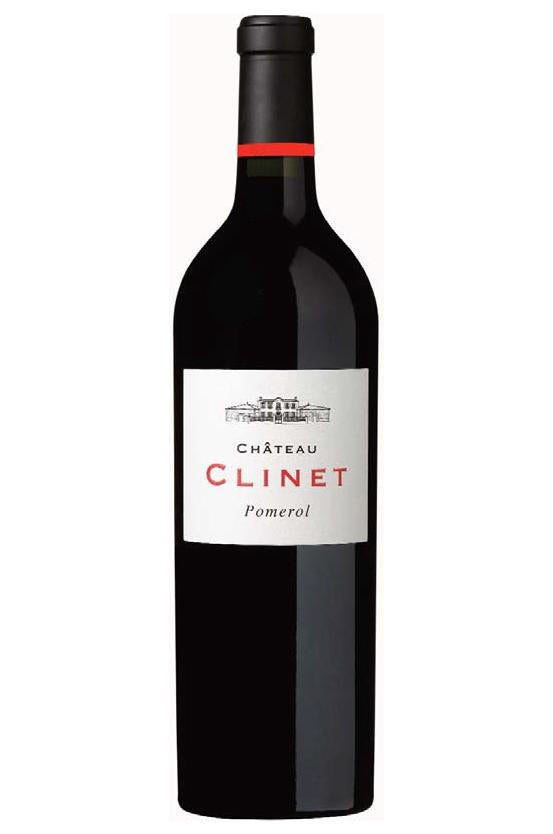
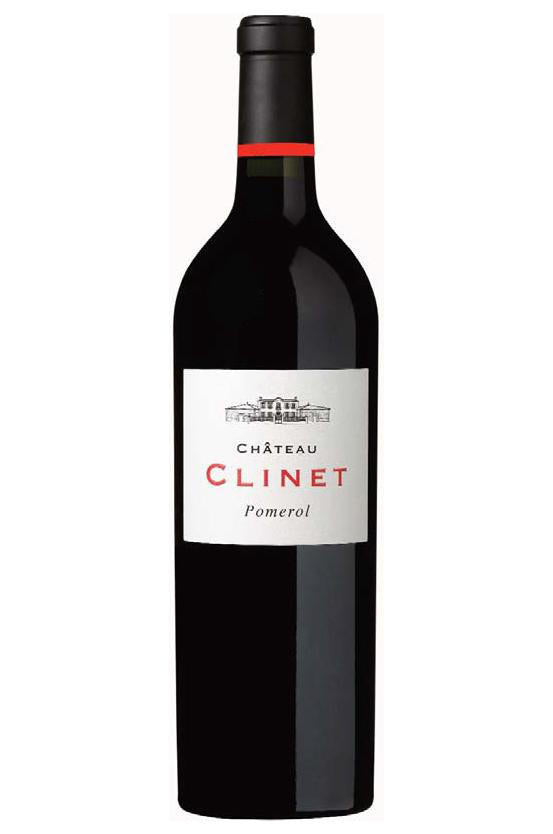
2015 Château Clinet, Pomerol, Bordeaux
Red • Dry • Full Bodied • Merlot (90%), Cabernet Sauvignon (9%), Cabernet Franc (1%)
Ready - youthful
Log in to add to wishlist
Code: 2015-06750-8010595
Description

This wine demonstrates why Clinet is currently one of the most exciting properties in Bordeaux. There is an alluring perfume on the nose, which is full of ripe blueberry and redcurrant fruit.

The tight kernel of fruit unfurls on the back palate coupled with persistent tannins. The finish is accompanied by an attractive smoky profile, suggesting clever use of oak. With plenty of dense and concentrated fruit, liquorice and blackberries, this is the most enjoyable tasting of this wine en primeur that we can remember.

Blend: 90% Merlot, 9% Cabernet Sauvignon, 1% Cabernet Franc

  • Colour
    Red
  • Sweetness
    Dry
  • Vintage
    2015
  • Alcohol
    14%
  • Maturity
    Ready - youthful
  • Grape
    Merlot (90%), Cabernet Sauvignon (9%), Cabernet Franc (1%)
  • Body
    Full Bodied
  • Producer
    Château Clinet
Critics reviews
Jancis Robinson MW 15.5/20
James Lawther MW 93/100
Jane Anson 96/100
Lisa Perrotti-Brown MW 97/100
James Suckling 99-100/100
About this wine

Pomerol

With 150 or so producers and roughly 740 hectares of vineyards, the smallest of Bordeaux's major appellations is home to myriad bijou domaines – many making little more than 1,000 cases per annum. If the topography and architecture of Pomerol are typical, the style of its wines is anything but. The best vineyards are planted on a seam of rich clay extending across the raised plateau of Pomerol from the boundary of St Emilion.

Pomerol is the smallest of Bordeaux's major appellations, with about 150 producers and approximately 740 hectares of vineyards. It is home to many bijou domaines, many of which produce little more than 1,000 cases per annum. Both the topography and architecture of the region is unremarkable, but the style of the wines is most individual.

The finest vineyards are planted on a seam of rich clay which extends across the gently-elevated plateau of Pomerol, which runs from the north-eastern boundary of St Emilion. On the sides of the plateau, the soil becomes sandier and the wines lighter. For a long time Pomerol was regarded as the poor relation of St Emilion, but the efforts of Jean-Pierre Moueix in the mid-20th century brought the wine to the attention of more export markets, where its fleshy, intense and muscular style found a willing audience, in turn leading to surge in prices led by the demand for such limited quantities. There is one satellite region to the immediate north, Lalande-de-Pomerol whose wines are stylistically very similar, if sometimes lacking the finesse of its neighbour. There has never been a classification of Pomerol wines.

Need help?
Please contact us from the contact form